Choose the trip before the tent
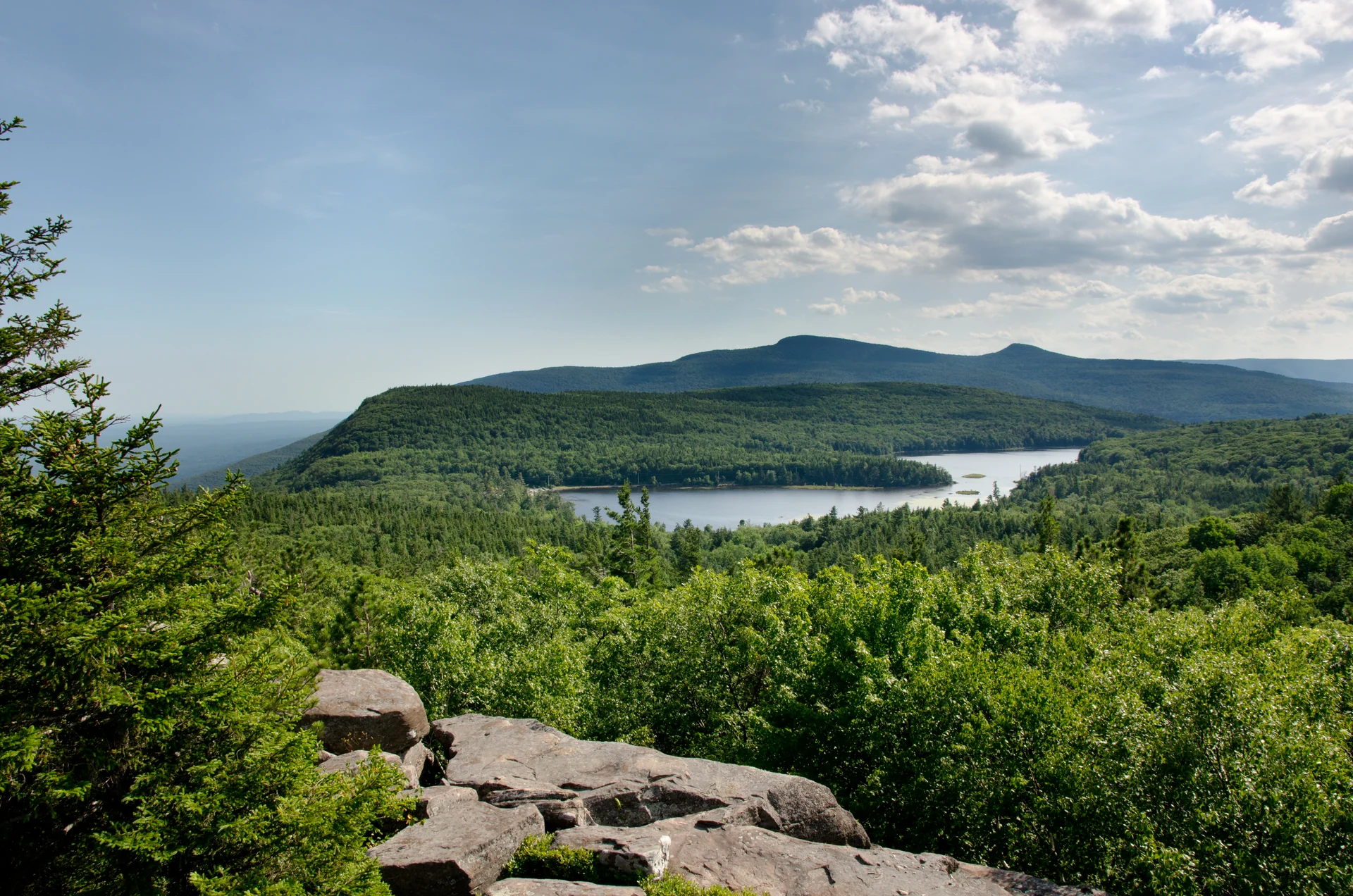
A day at Bear Mountain needs a different bag from a weekend at North-South Lake. First choose your destination, dates, and sleeping arrangement. Then read the specific facility page and reservation details: campsite dimensions, permitted equipment, parking, pets, and what a cabin actually includes.
New York State Parks says reservations can be made up to nine months ahead. Adirondack and Catskill DEC campgrounds have their own reservation information. Use the official booking pages linked below; a park being open for a walk does not mean its campground is operating.
The day bag: the things you want without digging
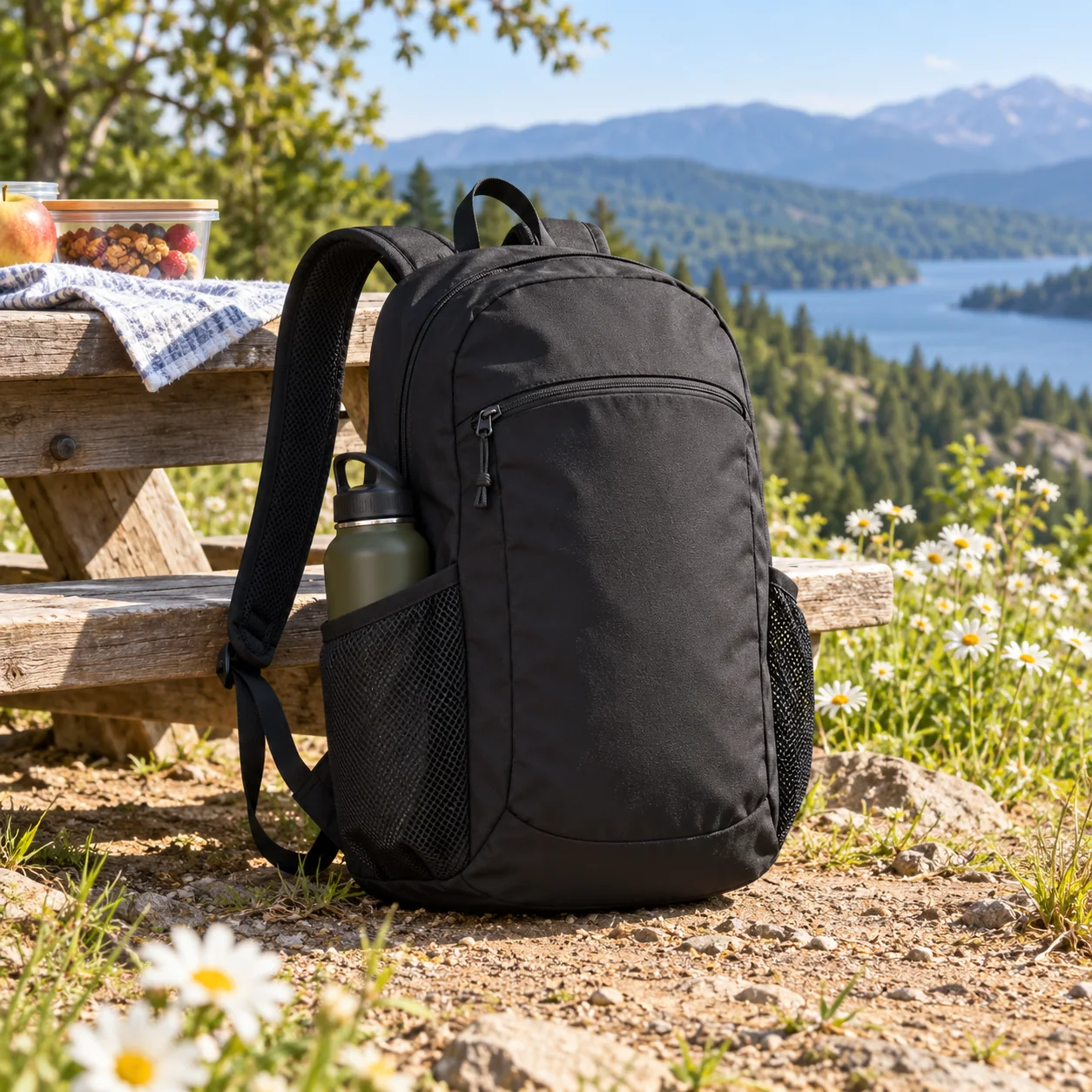
Start with drinking water, lunch or snacks, a weather layer, any personal essentials, a charged phone, a saved park map, and a small first aid kit. Keep the items everyone asks for in one easy-to-reach compartment. A daypack is useful because the bag you carry to a picnic table can stay with you on a short walk.
Give each child one job: carry the napkins, choose a place to sketch, or look for three different leaf shapes without picking them. A simple shared task makes the outing feel like an adventure before you have bought anything new.
The overnight kit: solve shelter, sleep, and supper
For a campground stay, plan a tent that fits the reserved site, bedding suitable for the expected overnight conditions, a sleeping pad, lighting, and a meal plan. Count the space taken up by people and gear rather than relying only on a tent's advertised capacity. A summer sleeping bag is not a winter camping system.
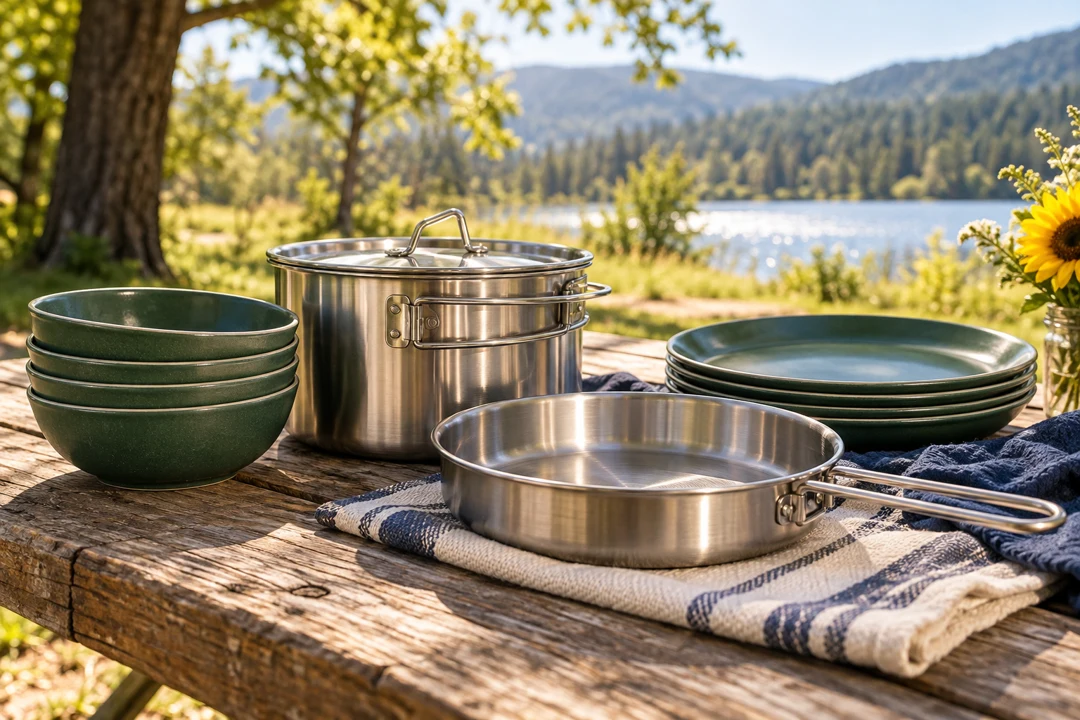
Pack camp cooking gear around the meals you will actually make. A pot and bowls may be enough for one trip; a skillet makes more sense for another. Check the permitted cooking setup and fuel rules before bringing equipment. Keep cooking and fuel-burning appliances outside sleeping spaces and use them exactly as directed.
For cabins and cottages, read the equipment list before adding a kitchen appliance or a stack of bedding. Furnishings, power, cooking facilities, and linens vary. One confirmation can save a whole bag of unnecessary things.
Make the ride and the quiet moments easier
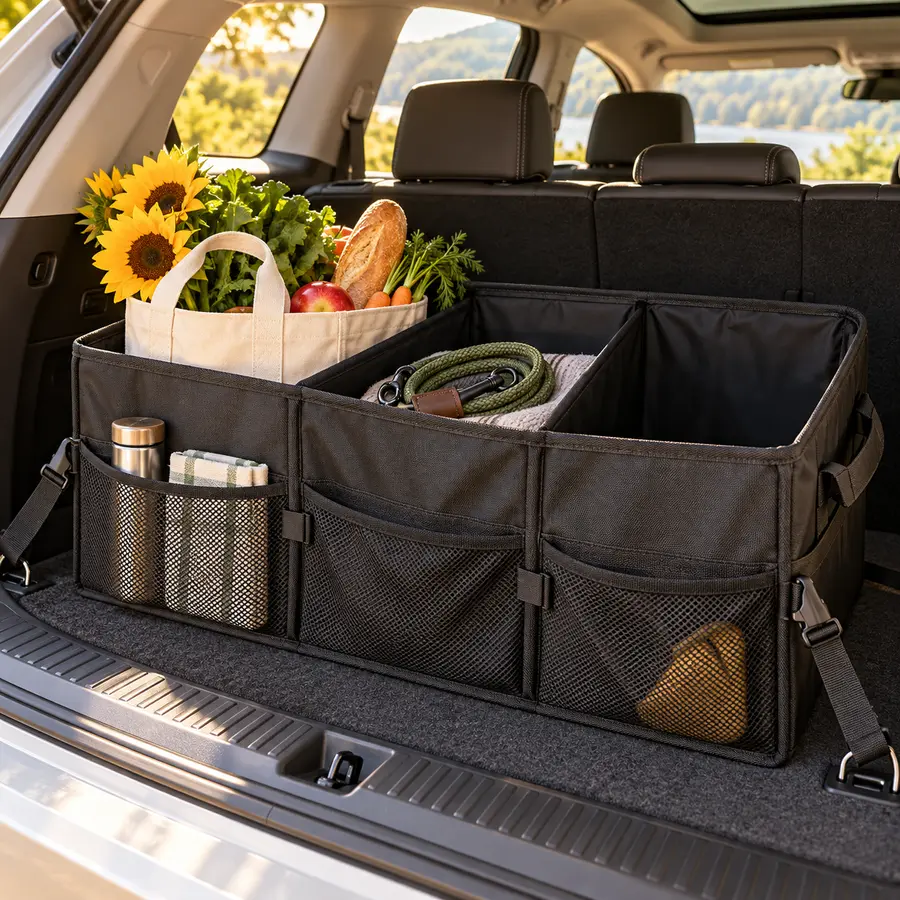
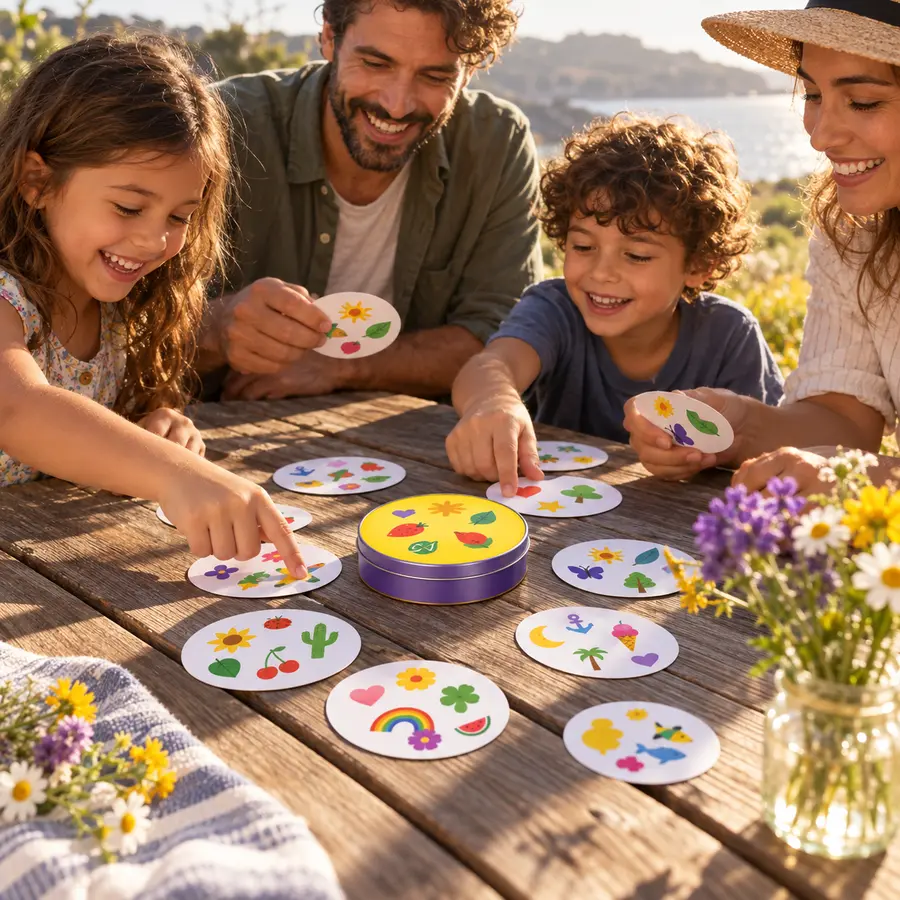
Use a trunk organizer for the loose items that otherwise roll under bags. Keep wet or muddy gear separate from clean clothing for the drive home. Set aside a small after-dinner activity: a card game, paper and pencils, or a three-question family quiz.
Before leaving, make one final check of the official park alerts, weather, reservation, and route. Buy firewood locally and follow the facility's firewood rules. For a first trip, a simple plan with room to change is often more enjoyable than a packed itinerary.
Save a little headspace
Your before-you-go list.
- Confirm the facility, dates, and reservation
- Save the official map and alerts
- Pack water, food, layers, and personal essentials
- Match shelter and bedding to the trip
- Bring a small game or sketch kit
- Leave room for wet gear on the way home
Official planning links.
Hours, access, seasonal services, and availability can change. Use these agency pages for the trip you are planning.
- New York State Parks reservation information ↗
- DEC campground planning and directory ↗
- Official New York campground reservations ↗
This is an independently researched planning guide with suggested packing uses, not a firsthand product test or a park agency publication.